Expand access to clean energy, reduce electricity costs, and strengthen community resilience with scalable community solar solutions.
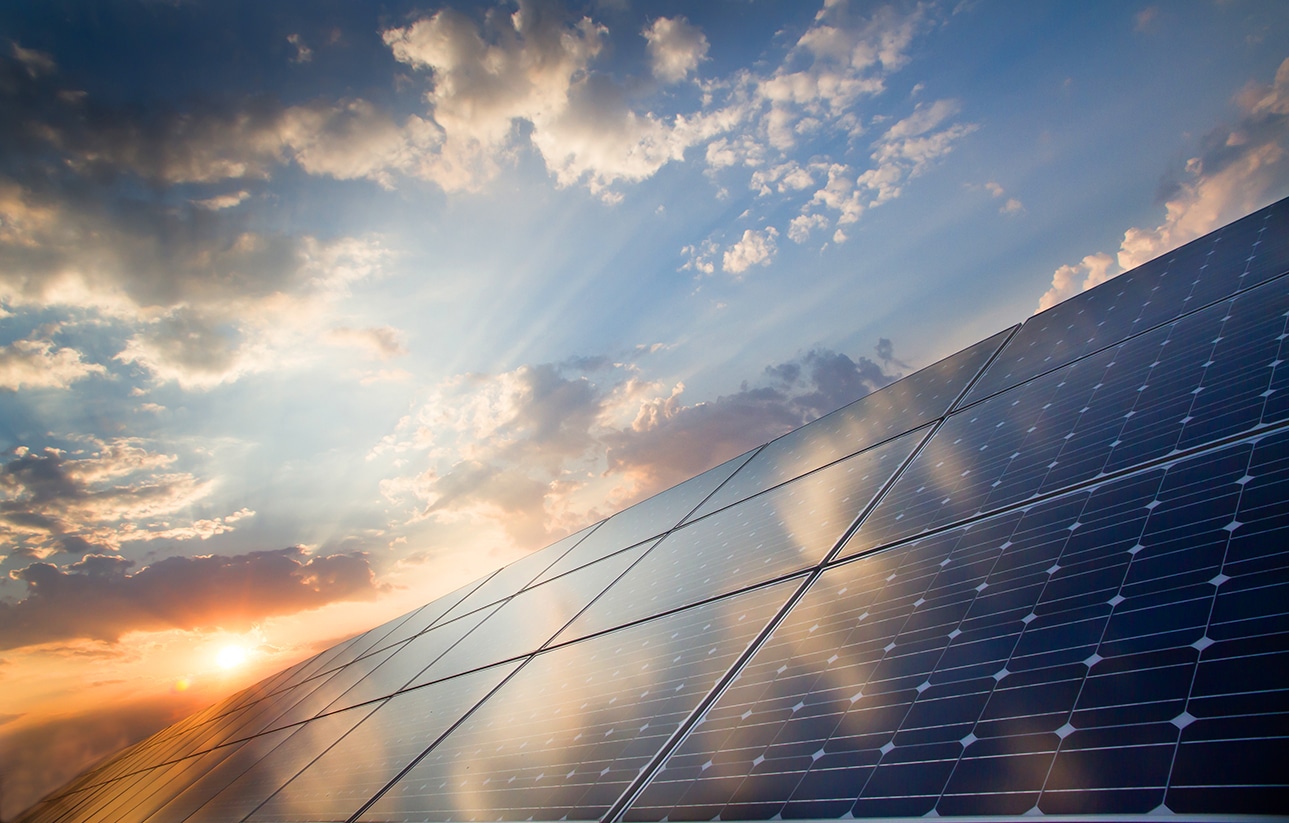
Abundant IoT develops and deploys community solar projects that enable municipalities, businesses, and residents to benefit from renewable energy without on-site installation requirements. By aggregating demand and optimizing project sizing, these solutions lower utility expenses, stabilize long-term energy pricing, and create new local economic opportunities. Community solar delivers measurable sustainability impact while supporting grid modernization and energy equity initiatives.
The Only Guaranteed Savings in Energy.
Zero On-Site Installation. Community Solar Made Simple.
Key Benefits
5 – 20% GUARANTEED SAVINGS
NO UPFRONT COSTS
SIMPLE ENROLLMENT
FLEXIBLE AND TRANSFERABLE
ENVIRONMENTAL IMPACT
IMMEDIATE BILL SAVINGS
Vertical Solutions for Solar
Retail & Multi-Site
Warehouses & Logistics
Commercial Offices
Healthcare & Clinics
Schools & Campuses
Food Processing Plants
Strong ROI and Growing Impact
Lower Energy Costs
Receive consistent monthly savings through discounted solar bill credits applied directly to your utility account.
Zero Maintenance Responsibility
No equipment ownership, servicing, monitoring, or operational oversight required.
Budget Predictability
Lock in discounted solar pricing and reduce long-term exposure to escalating utility rates.
Community Solar: Shared Renewable Energy
Allows businesses and residents to subscribe to local solar projects and receive 5–20% electricity bill savings without rooftop panels.
Provides access to renewable energy for the 50%+ of buildings unable to host rooftop solar due to roof, shading, or ownership limitations.
Solar farms typically range from 1–10 MW in capacity, supplying clean electricity to hundreds of subscribers.
Subscribers receive utility bill credits through state-approved net metering programs tied to local solar generation.
Enables organizations to reduce carbon emissions while supporting local renewable energy development.
Rooftop Solar: On-Site Renewable Energy
Commercial rooftop solar systems typically generate 1,200–1,700 kWh per kW annually depending on region.
Systems can offset 20–80% of a building’s annual electricity consumption depending on roof size and load profile.
Federal incentives such as the 30% Investment Tax Credit (ITC) significantly reduce installation costs.
Commercial solar systems operate for 25–30+ years with minimal maintenance.
Each 1 MW of solar capacity offsets approximately 700–1,200 metric tons of CO₂ annually.
Flexible Solar: Lightweight Renewable Power
Ultra-lightweight solar panels weigh 70–90% less than traditional solar systems, enabling installation on roofs that cannot support panels.
Flexible solar modules can be installed on curved or load-restricted surfaces such as metal roofs, membranes, and lightweight structures.
Systems generate clean electricity with 20–25 year performance lifespans similar to traditional photovoltaic installations.
Supports rapid installation with minimal structural reinforcement, reducing engineering and construction costs.
Enables solar deployment on buildings where structural load limits previously prevented rooftop solar.
Floating Solar: Water-Based Renewable Power
Floating solar systems can increase energy production by 5–15% due to cooling from surrounding water.
Utilizes reservoirs, water treatment ponds, and industrial basins without consuming valuable land.
Reduces water evaporation by 30–50% depending on coverage area.
Panels operate with 20–25+ year performance lifespans similar to traditional solar installations.
Ideal for municipal water facilities, reservoirs, and industrial water infrastructure.
Ground-Mounted Solar: Utility-Scale Generation
Ground-mounted systems can be deployed at utility-scale ranging from 1 MW to 100+ MW.
Allows optimal panel orientation and tilt to maximize solar production.
Produces approximately 1,300–1,700 MWh per MW annually depending on location.
Systems operate with 25–30+ year asset lifespans and minimal maintenance.
Ideal for commercial land, municipal property, and large renewable energy developments.
Solution Features & Maintenance
Community Solar
Allows businesses and residents to subscribe to local solar projects
Provides 5–20% electricity bill savings without rooftop installation
Solar farms typically range from 1–10 MW
Subscribers receive utility bill credits through net metering programs
Expands renewable access to buildings unable to host solar
Rooftop Solar
Installs on existing commercial and residential rooftops
Offsets on-site electricity consumption
Supports net metering and utility bill credits
Compatible with battery storage and microgrid systems
Typical system lifespan of 25–30 years
Ground-Mounted Solar
Installed on open land or unused property
Scalable systems from 1 MW to 100+ MW
Optimal panel tilt and orientation for maximum production
Supports utility-scale and commercial energy generation
Typical system lifespan of 25–30 years
Floating Solar
Installed on reservoirs, ponds, and water treatment basins
5–15% higher energy production due to water cooling
Reduces water evaporation by 30–50%
Utilizes unused water surfaces instead of land
Ideal for municipal water and industrial facilities
Flexible Solar
Ultra-lightweight panels weighing 70–90% less than traditional solar
Installs on curved or load-restricted roofs
Ideal for warehouses, membrane roofs, and industrial buildings
Rapid installation with minimal structural reinforcement
Typical lifespan of 20–25 years
Ready to learn more?
Work with Abundant IoT experts to find you the best customized solutions to save you money.